
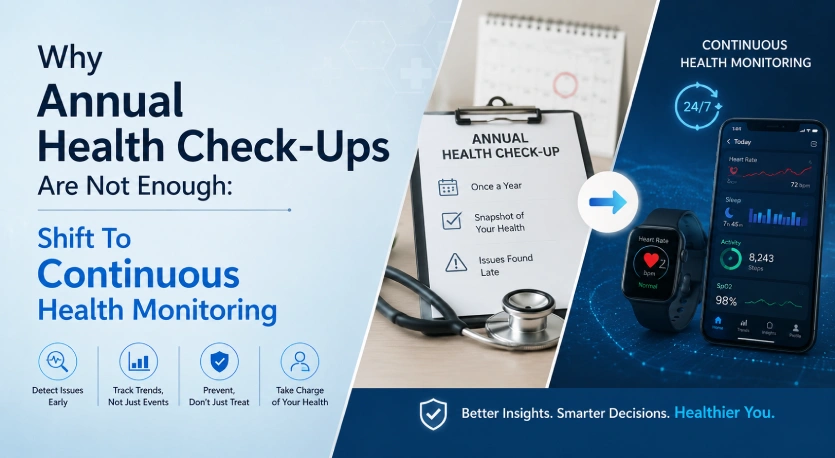
For many years, we have heard that prevention is better than cure, but when it comes to our health. Our preventive health check-up is set up to be done annually, as we ignore the rest of 364 days of the year. Although this timeline is more than enough for any minor symptoms to become severe, that would have been avoided. It could be done through lifestyle changes, some small precautions, or just by medications. However, the major factor is whether the symptoms were identified earlier, which would have been possible only with regular check-ups.
But in 2026, with advancements and by developing people’s awareness, preventive health check-up is becoming more personalized and more digital. So that preventive care doesn’t mean one annual blood test and a promise to eat healthier. However, with changing dynamics, preventive healthcare is about digitally tuning in to body changes and consciously adapting to them. Therefore, this guide is for you to understand the importance of preventive health care checkups and the revolution in it over the years.
What Does Preventive Health Checkup Mean & Why Is It Recommended?
In general terms, a preventive health checkup can be understood as a full-body checkup or an annual health check-up India. Most people do it to learn about their body condition and functioning, as it is a comprehensive medical exam. It is meant to catch the early signs of any diseases or health issues before the symptoms become severe or the situation worsens. It includes blood tests, imaging, and a thorough physical exam to check your overall health and spot risks for different diseases. These are different from the tests done when you are sick, as these are for perfectly healthy people.
Healthcare providers recommend preventive health check-up for several reasons:
- For early identification of symptoms of diabetes, heart diseases, cancer, and identity disorders before they become severe.
- They recommend identifying whether your body is facing any deficiencies, such as vitamin A, C, or D, or anemia.
- Another reason is to monitor your improvement in ongoing treatment to check its progress and ensure whether there are any changes needed in the medication.
- Also, for investigating the cause of some frequent symptoms you are facing, whether it’s fatigue or unexplained weight changes.
- To understand the cardiovascular health of your body, the cause of knee or back pain, and what is causing these in your body.
- For detecting cancer early through screening for breast, cervical, colorectal, and other common cancers based on age and risk factors.
Why an Annual Check-up Falls Short
Health check-up by age and risk are vital to identify problems that occur. For decades, annual checks were considered the gold standard of preventive care. However, in an era of rapid lifestyle changes, bad weather, air pollution, and even food-related health complexities increase. It makes a once-a-year check-up insufficient to keep up with body changes and the requirement to be healthy and fine. Here’s why a traditional model is falling behind:
1. Snapshot Limitation
A yearly lab report only gives you a peek at your health at one exact moment. It totally misses out on those daily changes that really matter, like blood sugar surging after a late meal, or how stressed you are during a hectic week at work.
2. Standardized Checks For Every Individual
General standardized tests for individuals usually follow a one-size-fits-all approach. They typically don’t account for your personal situation – stuff like your unique genetics, past health, and individual stress factors are mostly ignored.
3. Symptoms Identification When It Gets Severe
Certain diseases, such as hypertension and diabetes, can worsen without you even realizing it. These conditions start out manageable, yet can progress to something serious within a year. So waiting a whole year until your next check-up can be pretty risky.
4. Reactive vs. Proactive
Moreover, most folks only hit up the doctor when they feel unwell. By then, prevention isn’t an option – you’re just trying to fix the problem, making treatment harder, costlier, and less effective.
5. Situation In India
In India, the problem is worsening as more young people are suffering from lifestyle diseases. Currently, around 63-65% of deaths result from non-communicable diseases. To fight back, the government began a large-scale screening effort through the National Program for Prevention and Control of NCDs. They plan to check every adult over 30 to catch these “silent killers” early on and prevent issues like heart attacks and strokes.
What Does Continuous Health Monitoring Really Mean?
By continuous monitoring, we don’t mean living under hospital-style surveillance all the time. Instead, it is the practice of using technology to be active and aware of changes in the body. Whether using the technology to track or keeping in touch with your doctor to be informed about how your body is doing. Continuous monitoring involves tracking your vitals through wearable devices, periodic mini-tests, and health apps that sync data to your doctor. For real-time adjustments to your lifestyle, let’s look at some differences:
| Aspect | Traditional Annual Check-up | Continuous / Ongoing Monitoring |
|---|---|---|
| Frequency | Once a year | Every 3–6 months or daily/weekly via devices |
| Data Captured | Snapshot of basic parameters | Trends in heart rate, sleep, stress, blood sugar, activity |
| Personalisation | Standard package for all | Tailored to age, family history, lifestyle & risk |
| Tools Involved | Lab tests + doctor visit | Wearables + apps + periodic tests + teleconsults |
| Best Suited For | Low-risk healthy adults | People with risk factors or those wanting proactive care |
| Outcome Focus | Reactive (catch issues after they appear) | Proactive (spot trends early and prevent) |
It’s Time to Wrap Things Up!
Preventive health check-up are key to modern wellness, helping catch problems early before they get serious. Regular screenings let people keep a tighter grip on their health too by making some lifestyle changes, staying active, and being aware. Additionally, these treat symptoms at a minor level, avoiding long-term issues and one big medical bill to pay at once. In the name of treatment, you also get to treat early symptoms with mindful and clean eating and exercising. Furthermore, you avoid things that might have led your conditions to worsen or their symptoms.
Continuous monitoring asks you to adapt using a fitness tracker and stay tuned in with your doctor. For frequent updates and changes you should make in your lifestyle, digital updates make the process even more convenient. These preventive health check-up give folks the tools to make smart health choices for early treatment and lasting vigor.
FAQs
Is going to an annual preventive health checkup still necessary if I use a smartwatch?
Yes, it’s vital because while these trackers might track some trends, they aren’t supposed to replace lab tests. Additionally, proper consultation once in a while is essential, along with a comprehensive health checkup that will provide a clear picture. Using this accurate assessment of your condition you can make decisions.
Is fasting required before health check-up and what is the time duration for results?
Yes, it is recommended to fast for 8-12 hours before comprehensive checks, as it helps in accurate results for blood sugar and lipid profile. You can drink water, though, during this fasting period. As for the results, genomic results take up to 24-48 hours, while for genetic screening or cultural reports, it goes up to 5-7 days.
Are health trackers and wearables really reliable from a medical perspective?
They are not 100% effective and reliable without other treatment and tests. However. Slowly, with AI and technical advancement, these are getting better.
What are some of the basic yet essential things to monitor regularly?
Some of the common and effectively measurable are high blood pressure. As it’s common in every Indian to hit it, ensure you keep an eye on it regularly to avoid major issues. Such as heart disease, stroke, and kidney failure, even when you feel great, fit, and active.
Can I claim tax benefits for health check-ups in India?
Yes, you can. Section 80D of the Income Tax Act lets you deduct up to Rs. 5,000 each financial year for preventive health check-ups.