
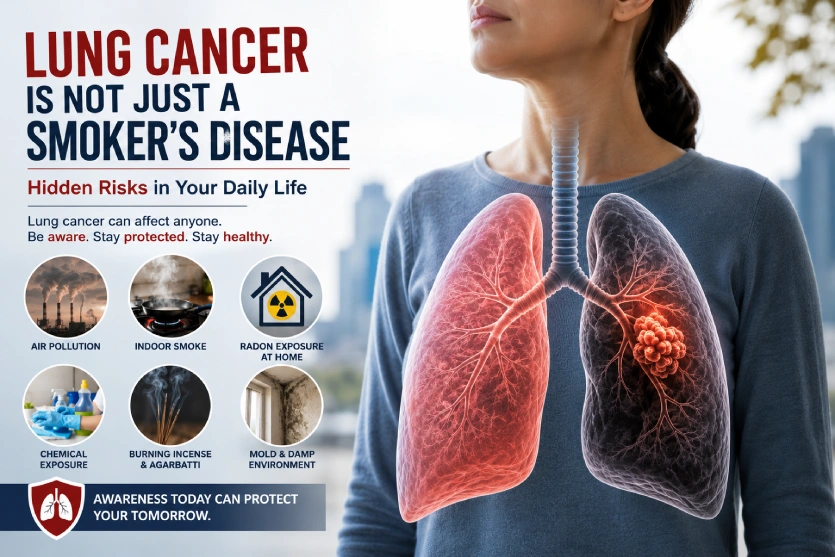
Lung cancer and smoking have become synonymous, but lung cancer is not only about smoking, as several other factors also influence it. However, when thinking about what causes this condition, the first thing that pops into people’s heads is smoking. But there are many cases where people develop lung cancer despite the fact that they never smoked. Medical researchers caution that a lot of dangers may lurk at home and in everyday activities and even in the air we breathe. There may be different environmental toxins or some genetic predispositions, and it is important to know about such risk factors.
Therefore, to protect yourself from lung cancer, take preventive measures on time so we don’t get knocked down by lethal disease. The assumption that only heavy smokers are affected by this disease is very dangerous for those patients who do not smoke. People might dismiss a chronic cough, assuming that it is nothing but a common cold, which is a huge mistake. It is extremely important to dispel this myth because the fact is that everyone who has lungs can develop lung cancer.
Therefore, this article lists the factors that show lung cancer is not only about smoking but also arises from these factors. Along with preventive measures and hidden at-home issues.
Hidden Risk Factors That Are Causing Lung Cancer Beyond Smoking
Apart from smoking, there are various other common risk factors that lead to the development of lung cancer. The major risk factors present in your surroundings and body include the following:
1. Exposure to Radon
Exposure to Radon Gas: Radon gas is a naturally occurring substance that is radioactive in nature, being colorless and odorless. This gas is produced through the breakdown of uranium found in soil and water. Radon may enter the building premises and accumulate in enclosed spaces. According to experts, long-term exposure to radon gas is the most common risk factor for developing lung cancer among non-smokers.
2. Secondhand Smoke (Passive Smoking)
Not only smokers but even passive smokers are affected by the harmful effects of tobacco. Being exposed to secondhand smoke, which refers to the smoke emanating from a smoker’s exhaled breath and the burning end of the cigarette, puts you at an equally high risk of contracting lung cancer.
3. Air Pollution (Indoor and Outdoor)
Air Pollution (Outdoors and Indoors): Air that you breathe on a daily basis plays a vital role in determining the health of your lungs. Long-term exposure to outdoor air pollution, especially PM 2.5, leads to damage in lung tissues.
4. Occupational Hazards
People working in certain environments are exposed to carcinogens through breathing these materials into their lungs. Breathing in carcinogenic substances such as asbestos, silica, arsenic, chromium, and diesel emissions on factory, construction site, or mine jobs puts one at an exceedingly high risk of developing lung cancer.
5. Genetic Susceptibility and Mutations
Genetic makeup counts as well. If you have a family member who has had lung cancer, you are predisposed to the risk of developing the disease. Oncologists have found that most non-smokers with lung cancer have certain genetic mutations such as EGFR, ALK, or ROS1, which trigger the abnormal growth of cancer cells.
6. History of Lung Diseases
If you have been affected by previous diseases in your lungs such as Tuberculosis (TB), COPD, or pulmonary fibrosis, then your risk is increased since such diseases cause scarring of the lungs, making the tissue vulnerable to cancer.
7. Neglecting Early Symptoms
No matter your history as a smoker, neglecting early symptoms of lung cancer lets the disease advance further. These include a worsening cough, unintentional weight loss, difficulty breathing, chest pain, and bloody sputum.
Home-Based Carcinogens: What You Might Be Exposing Yourself to?
While you might be concerned with smog outside, many harmful carcinogens are kept in the places where you spend the majority of your time. As health professionals point out, poor indoor air quality, caused by all the daily household activity, is a leading factor in lung cancer. There are a variety of carcinogens that you should know about, and here is a list of some of the most common ones and where they usually lurk:
| Hidden Risk Factor | Where It Hides in Your Environment | How to Minimize Your Exposure |
|---|---|---|
| Indoor Cooking Fumes | Unventilated kitchens, burning solid fuels (biomass/chulhas), and deep-frying smoke. | Use exhaust fans, open windows while cooking, and transition to clean cooking fuels. |
| Radon Gas | Basements, ground-floor rooms, and older homes with cracks in the foundation. | Purchase a home radon testing kit and seal cracks in floors and walls for better insulation. |
| Household Smoke | Burning incense sticks (agarbattis), mosquito coils, and indoor fireplaces. | Limit the use of indoor combustibles; opt for smoke-free mosquito repellents and air purifiers. |
| Occupational Carcinogens | Construction sites, factories, or older buildings containing asbestos, silica, or diesel exhaust. | Always wear industry-approved protective masks (N95/respirators) and follow workplace safety protocols. |
Proactive Prevention and the Importance of Early Screening
Lung protection doesn’t only mean not smoking but taking an active part in creating a healthy environment and following certain lifestyle patterns. The oncologists recommend making some easy yet extremely useful changes at home, such as buying a high-quality air purifier for PM 2.5 removal, providing sufficient ventilation, and trying to avoid going into places of significant vehicular exhaust. Apart from this, you should maintain a healthy way of life, eat well-balanced meals with plenty of antioxidants, and perform breathing exercises.
The other aspect is also crucial since non-smokers often do not think of lung cancer and only start thinking about it when they have symptoms like a constant cough, a change in voice, or unexplained weight loss becomes severe. If you have a strong family history of lung cancer or have suffered prolonged exposure to passive smoke or occupational hazards, consult a healthcare professional. Doctors may recommend screening tools, such as a Low-Dose CT (LDCT) scan, which can detect malignant nodules long before they cause symptoms, drastically improving the chances of successful treatment.
Concluding Note!
Although choosing to quit smoking permanently is the best thing, remember lung cancer is not only about smoking. Prevention of lung cancer involves much more extensive knowledge of our surrounding environment and genetics. Through testing our houses for radon gas, minimizing exposure to dangerous pollution in the air and at work, and knowing our family’s history. One can greatly lower their risks and move in the direction of early detection, which is the main way of saving lives. If you are feeling any symptoms associated with your respiratory system, do not take any chances and visit a doctor straight away.
Even if you have never smoked a day in your life. By taking precautionary measures right now, we will be able to secure ourselves from any future problems with our respiratory system. It includes using masks when in polluted areas, having appropriate ventilation in our rooms, and more. Going to the doctor on a regular basis if our family has such a history.
FAQs
Can someone get lung cancer without ever smoking?
Yes, non-smokers can get lung cancer. Some of the main reasons include inhaling radon gas, second-hand smoke, polluted air, genetic mutations, and workplace hazards such as asbestos. Anybody who has lungs is at risk.
What is radon gas and why is it so dangerous?
It is a natural radioactive gas that is invisible and odorless. Radon gas is the second leading cause of lung cancer all around the world, specifically among non-smokers. You can only know whether you have radon gas in your house if you test it.
How does air pollution cause lung cancer?
Lung cancer results from exposure to unhealthy air quality for a very long period of time because of the damage it causes to the lungs. Examples of air pollution include poor air quality and exhaust fumes.
Can prior lung illnesses put you at high risk of lung cancer?
Yes, people who have prior lung illnesses such as Tuberculosis (TB) and COPD have scars in their lungs. Therefore, they are more likely to contract lung cancer.
What are the early warning signs of lung cancer?
Common warning signs include a persistent cough that won’t go away, shortness of breath, chest pain, coughing up blood, and unexplained weight loss. Seek medical advice if these occur. Early detection greatly improves treatment outcomes, so never ignore these symptoms.